Sunchoke
2025


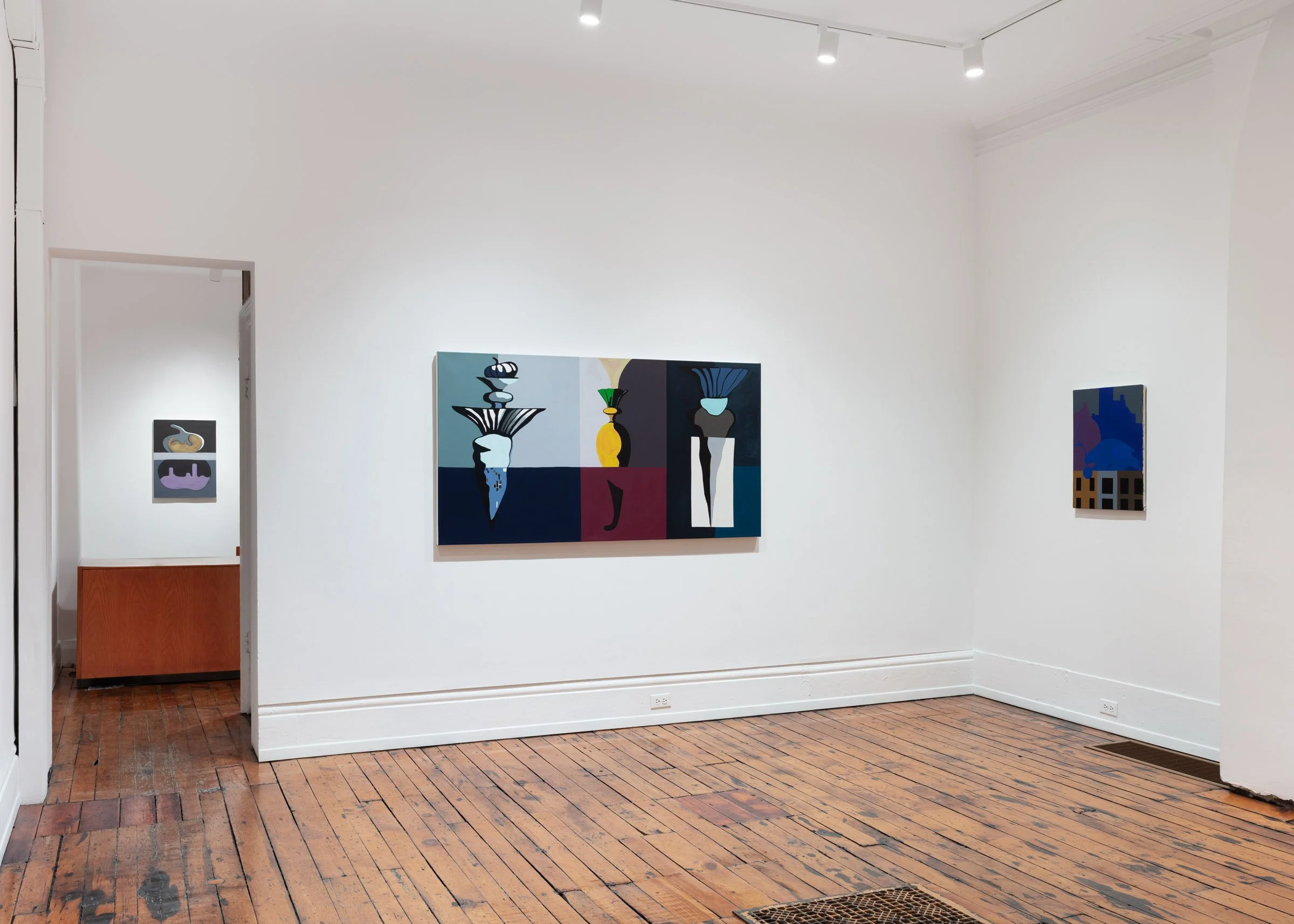
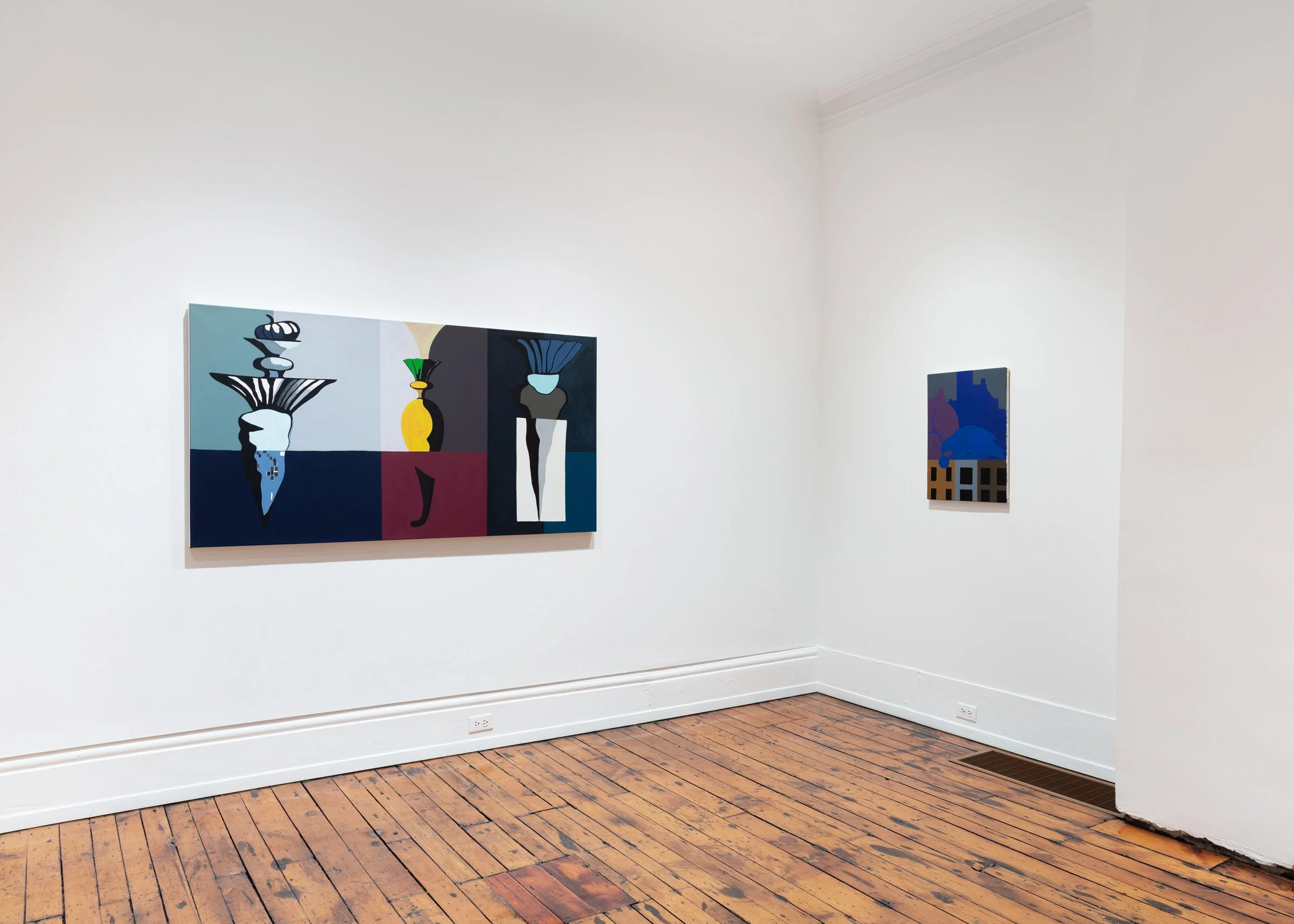
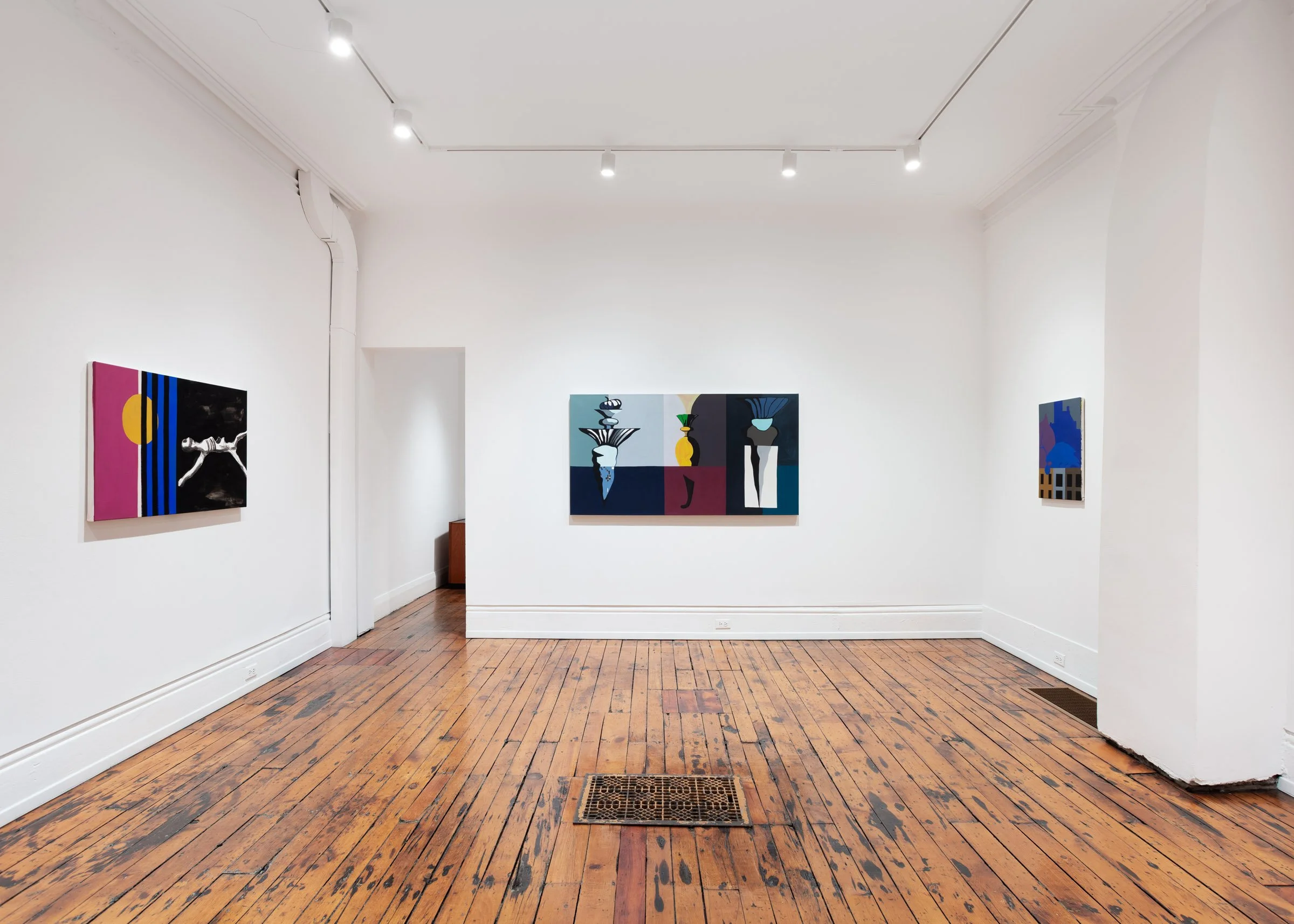
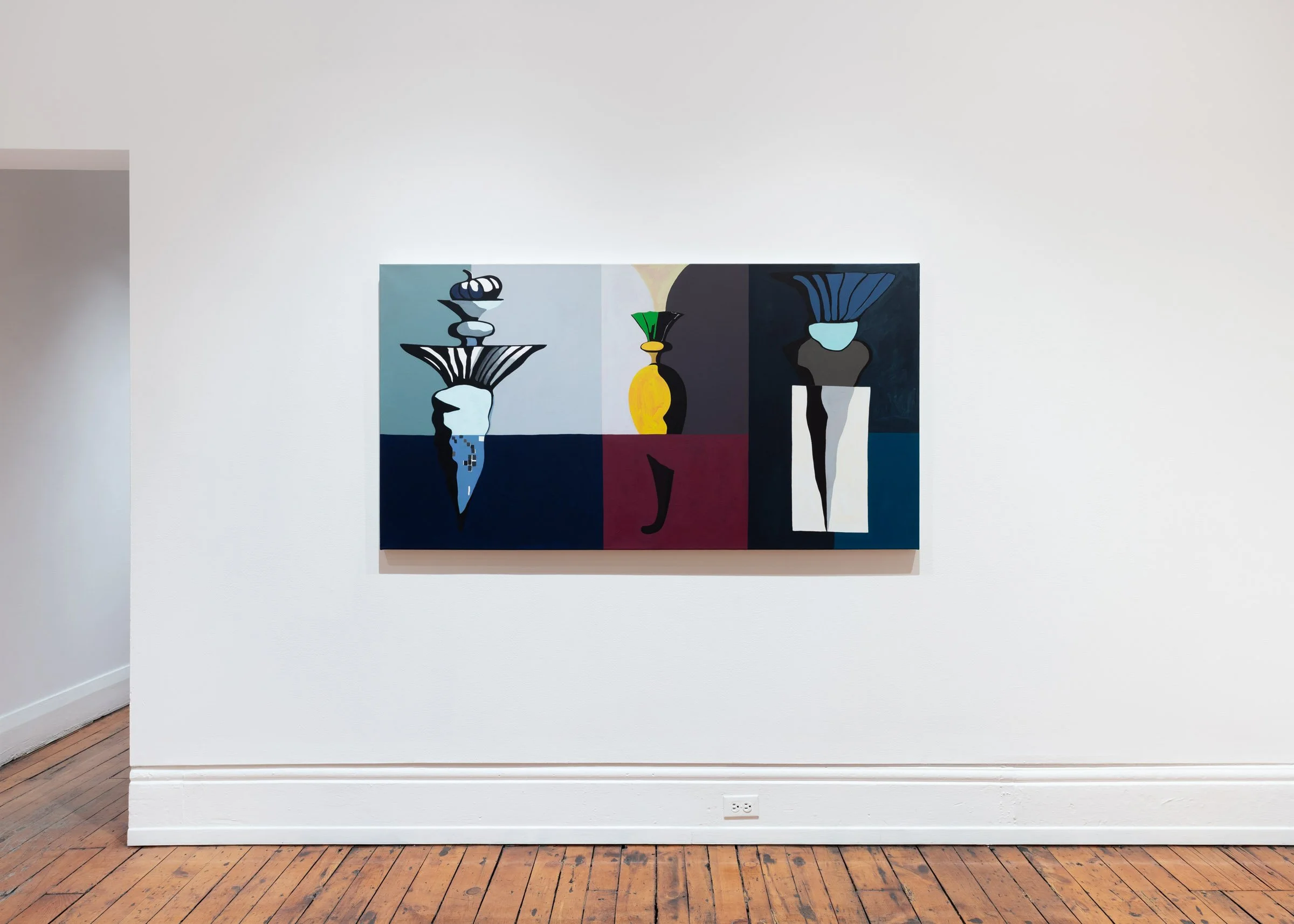
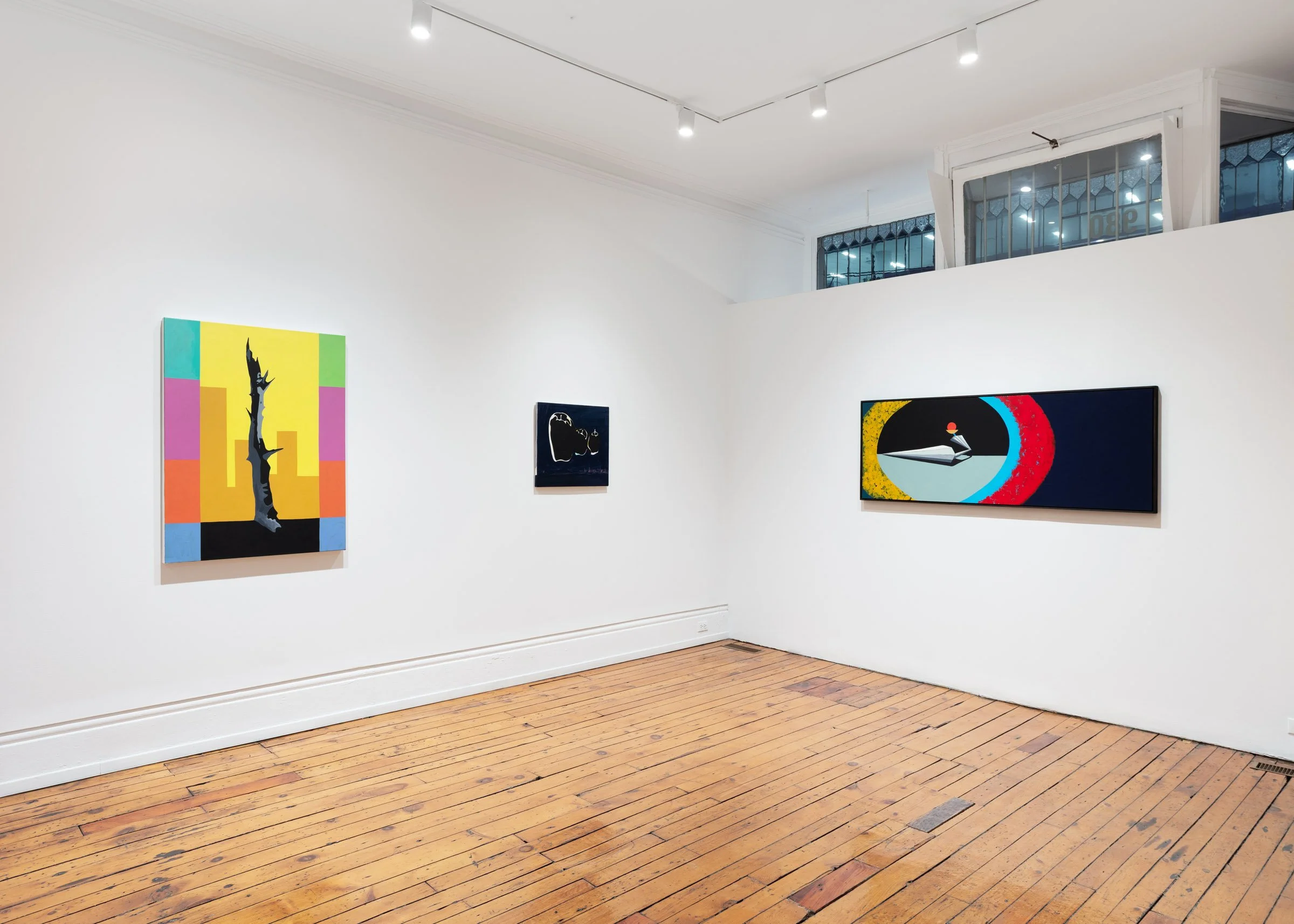
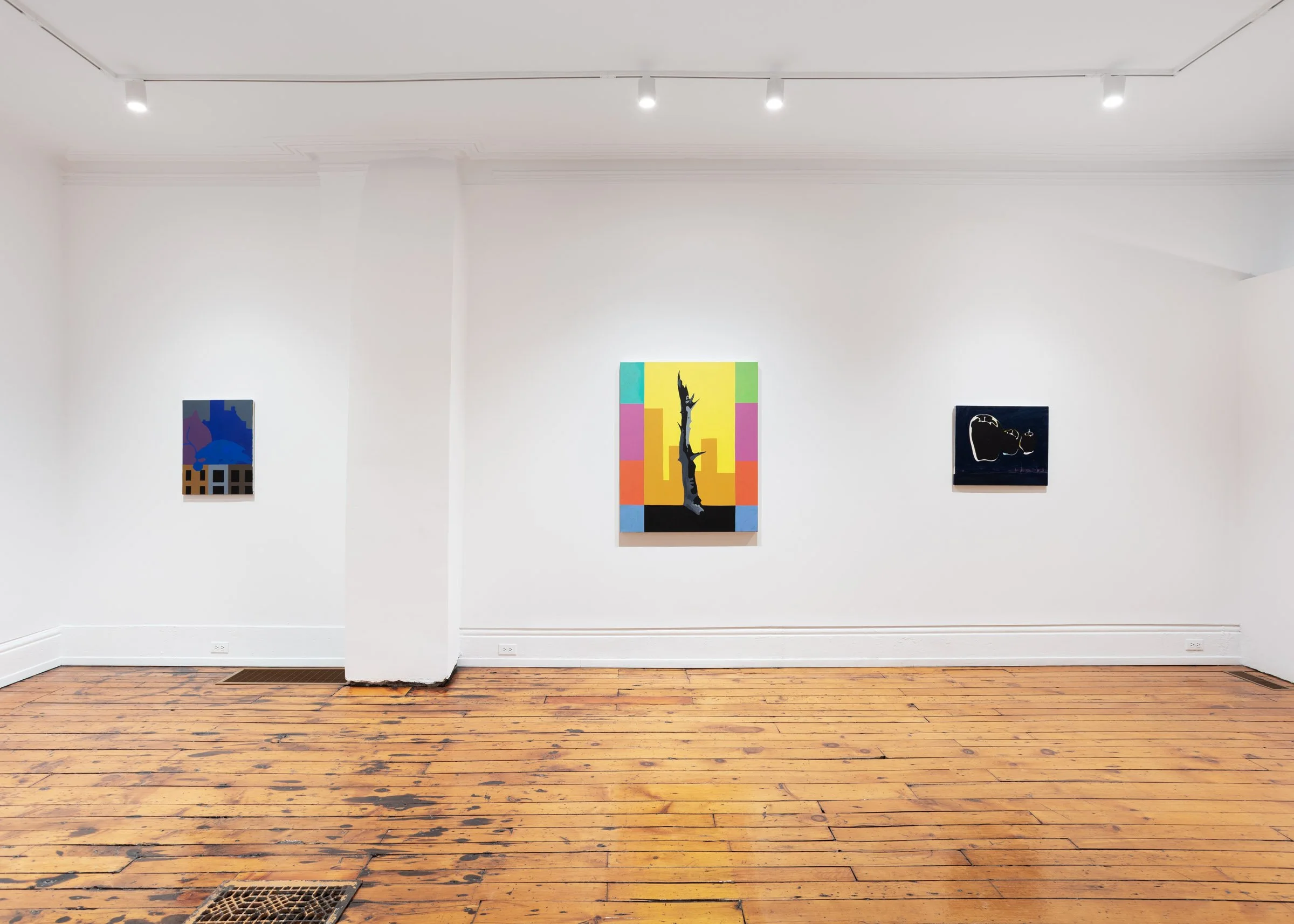
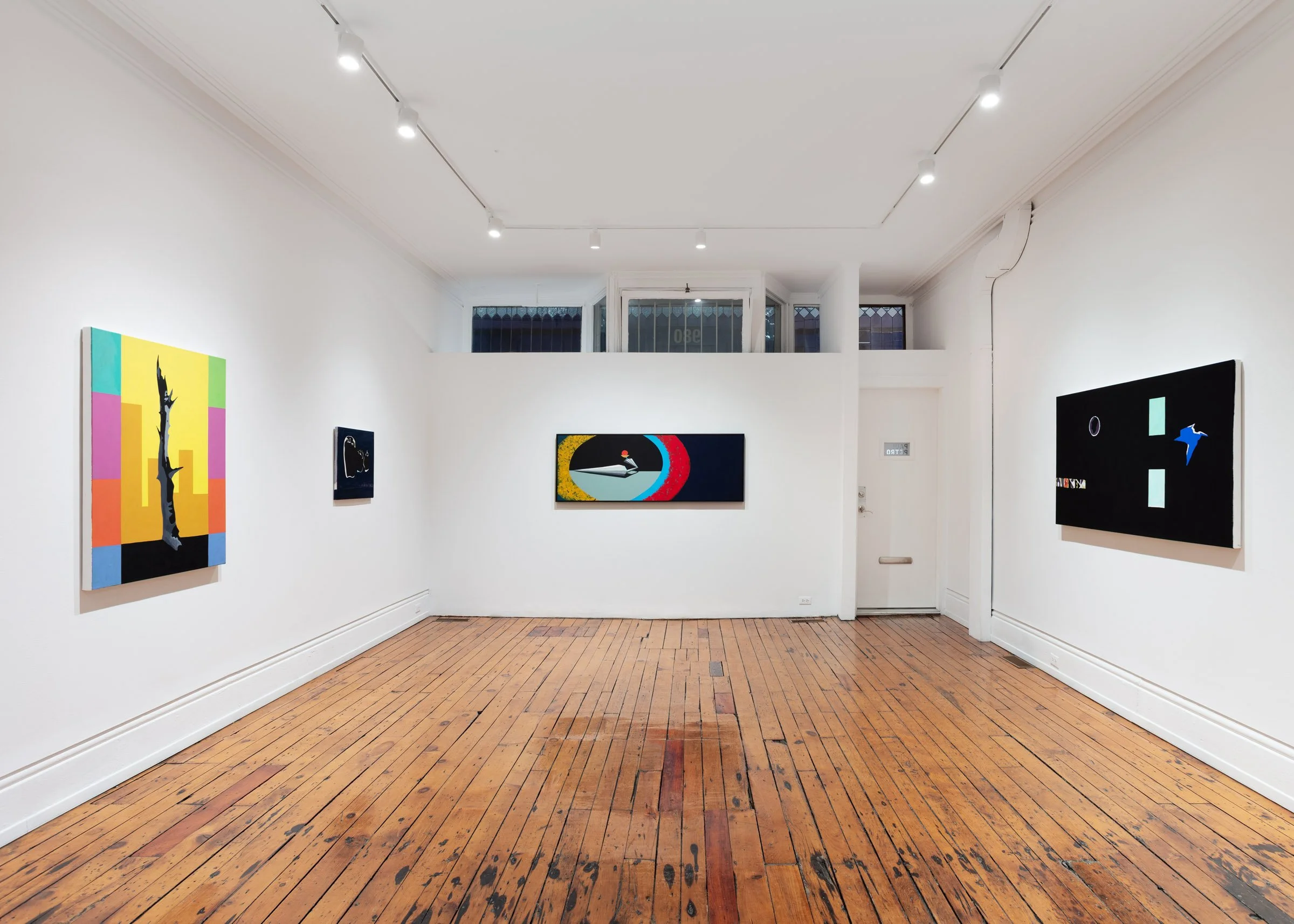
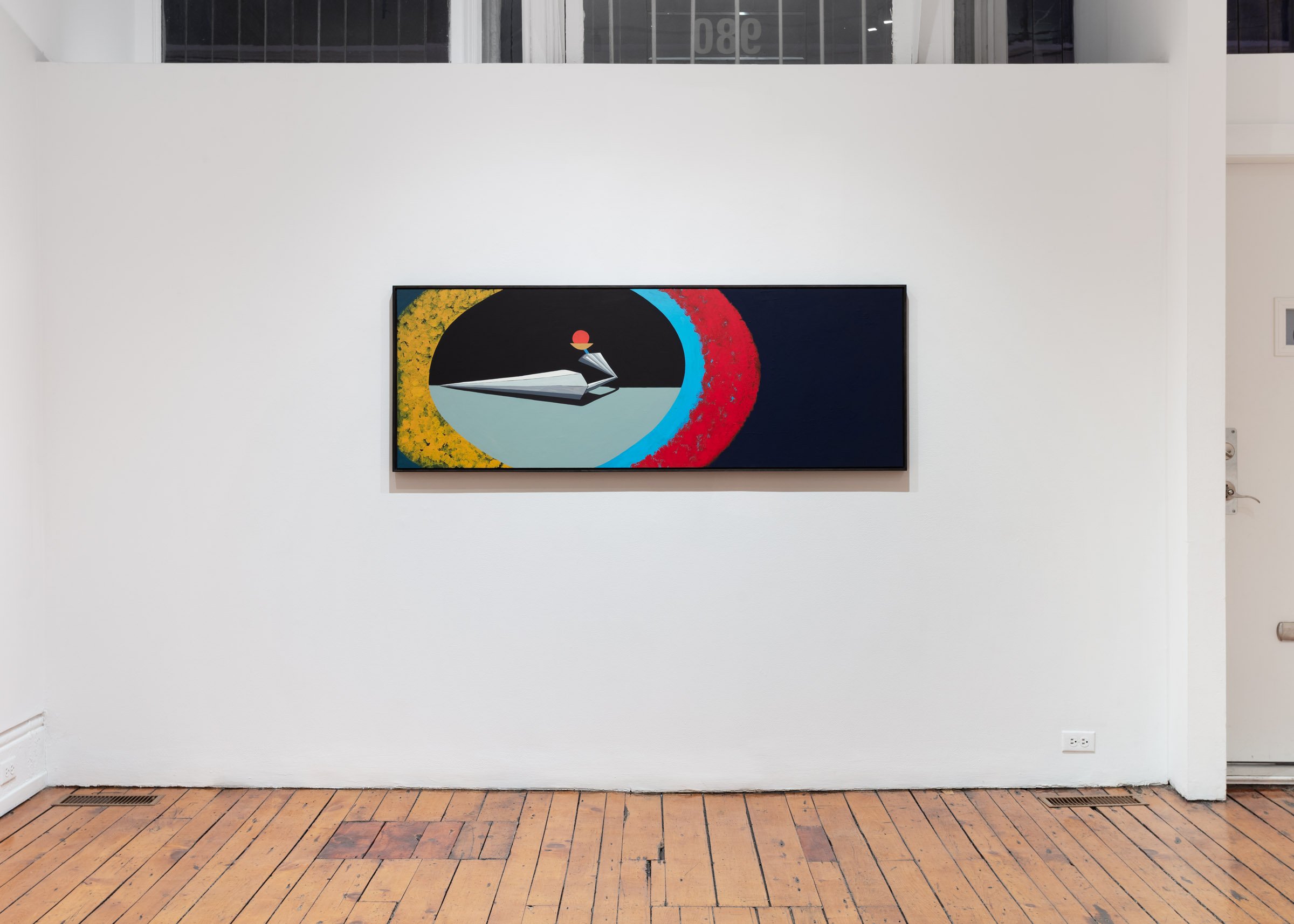
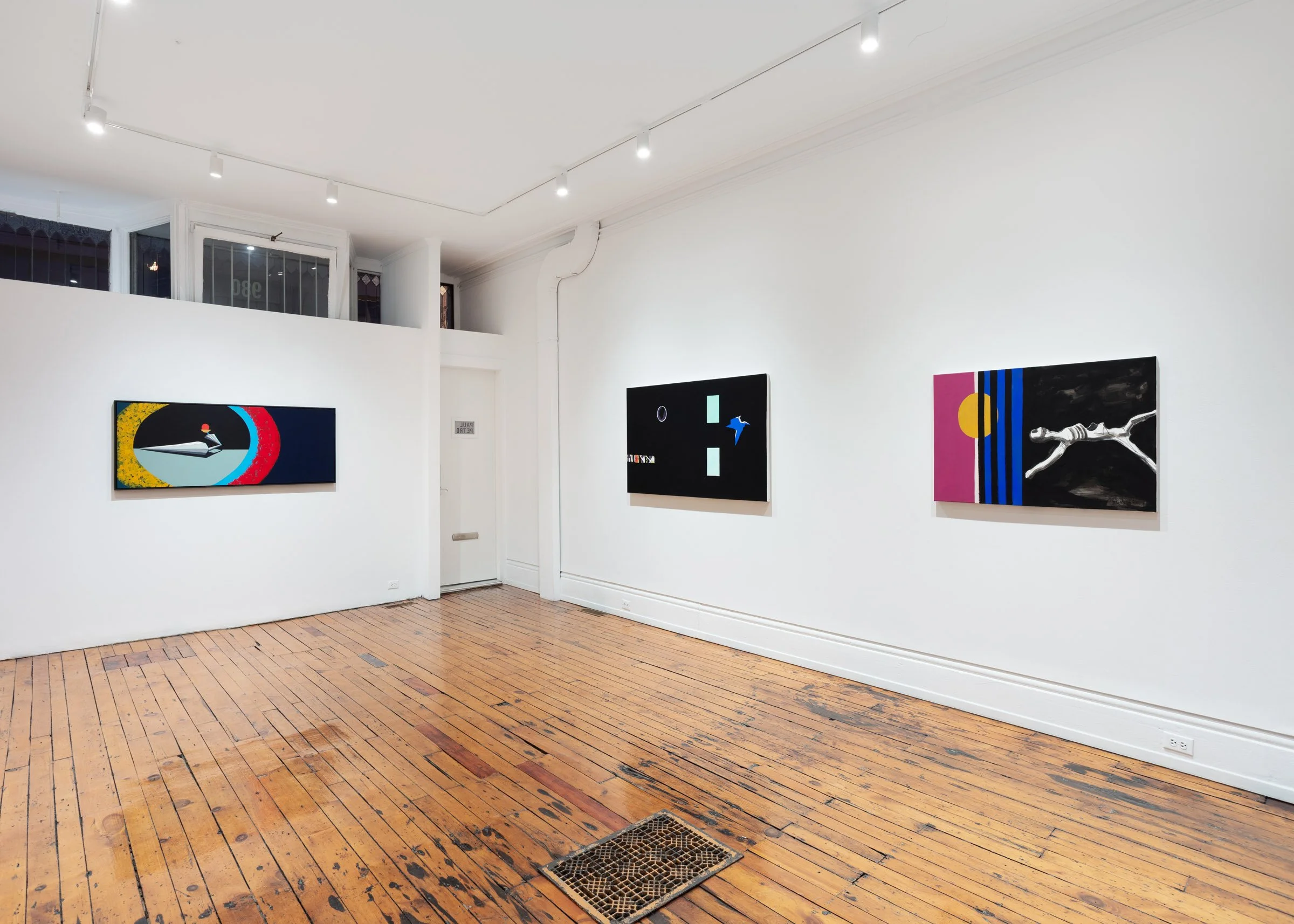
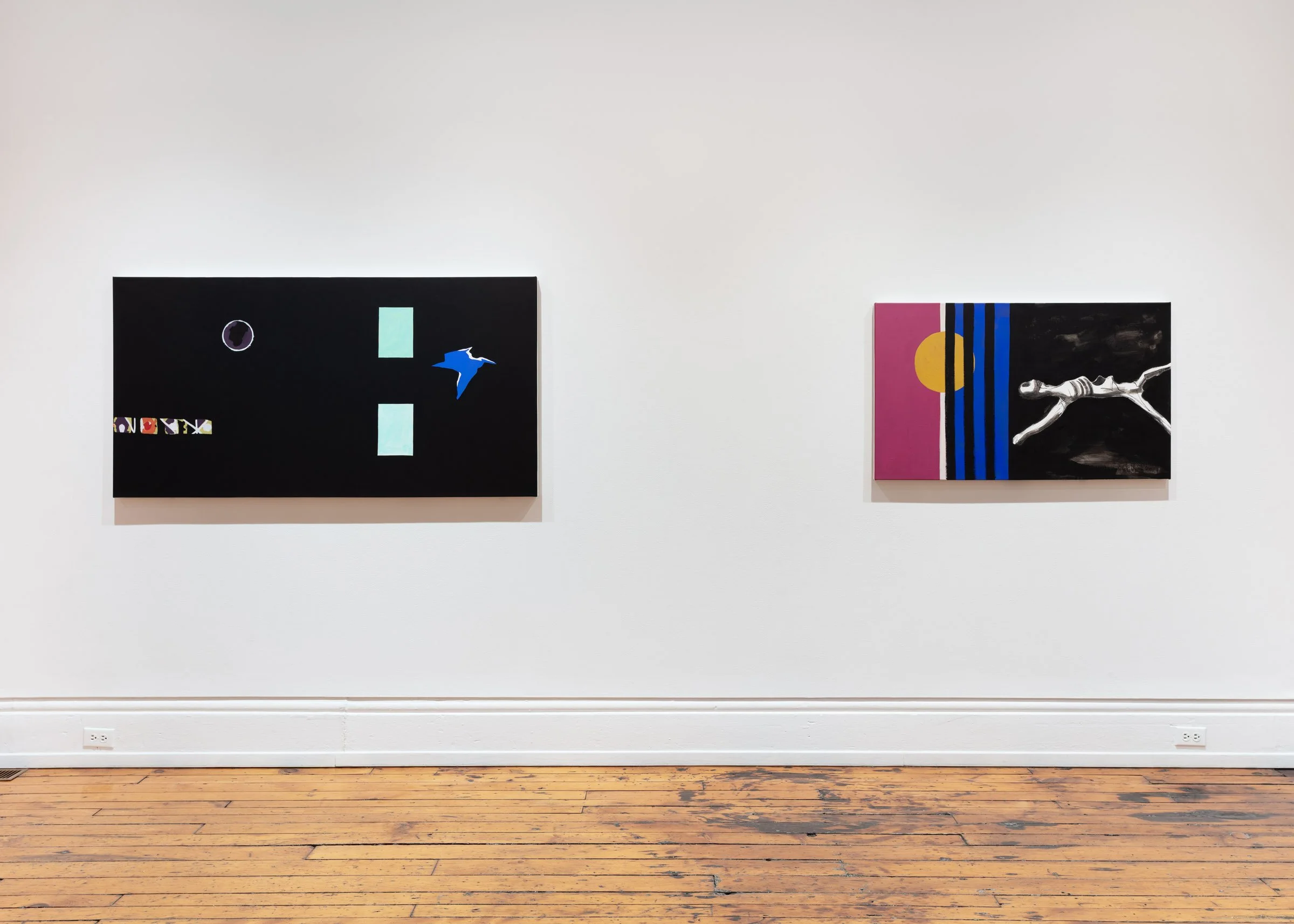
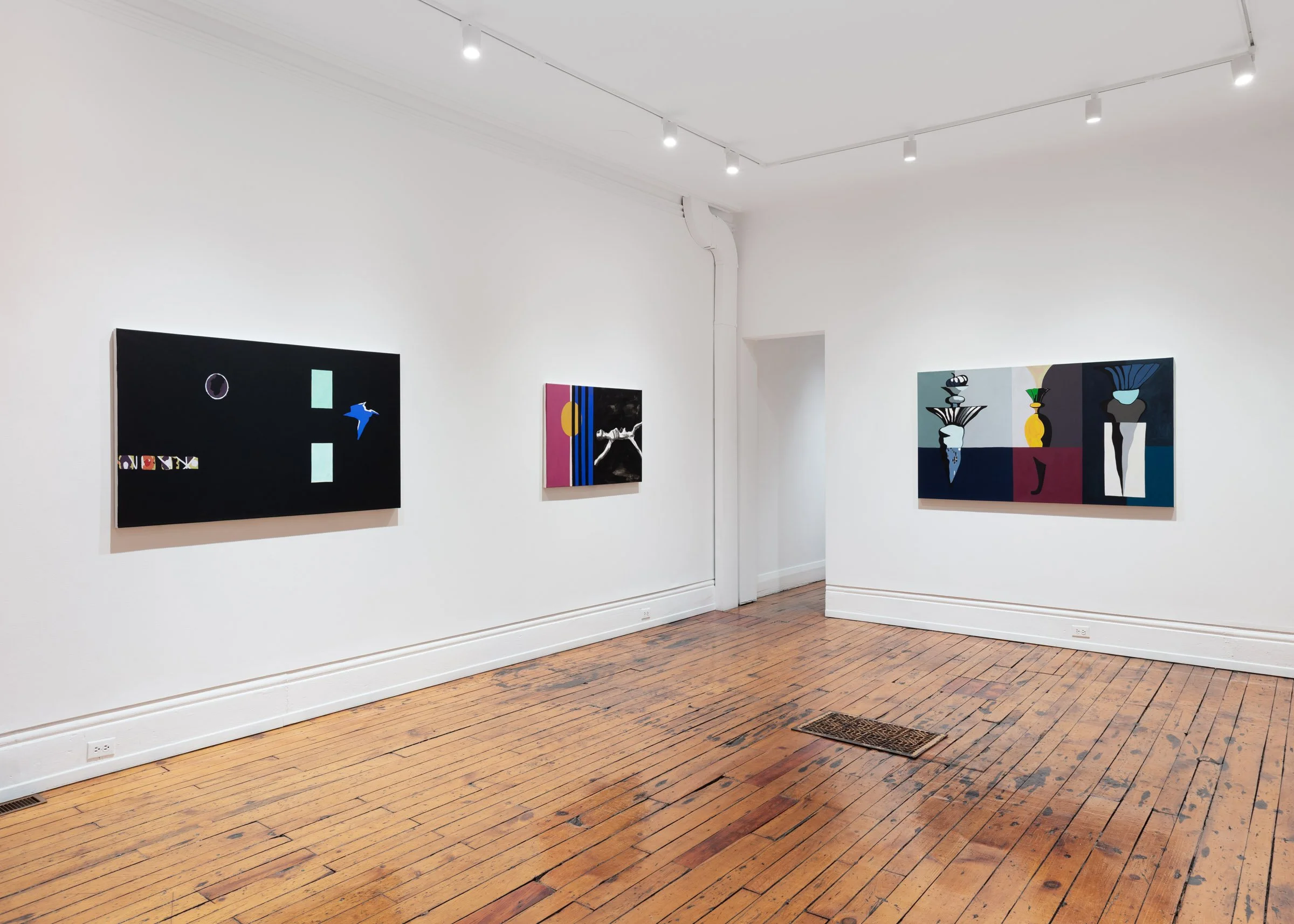
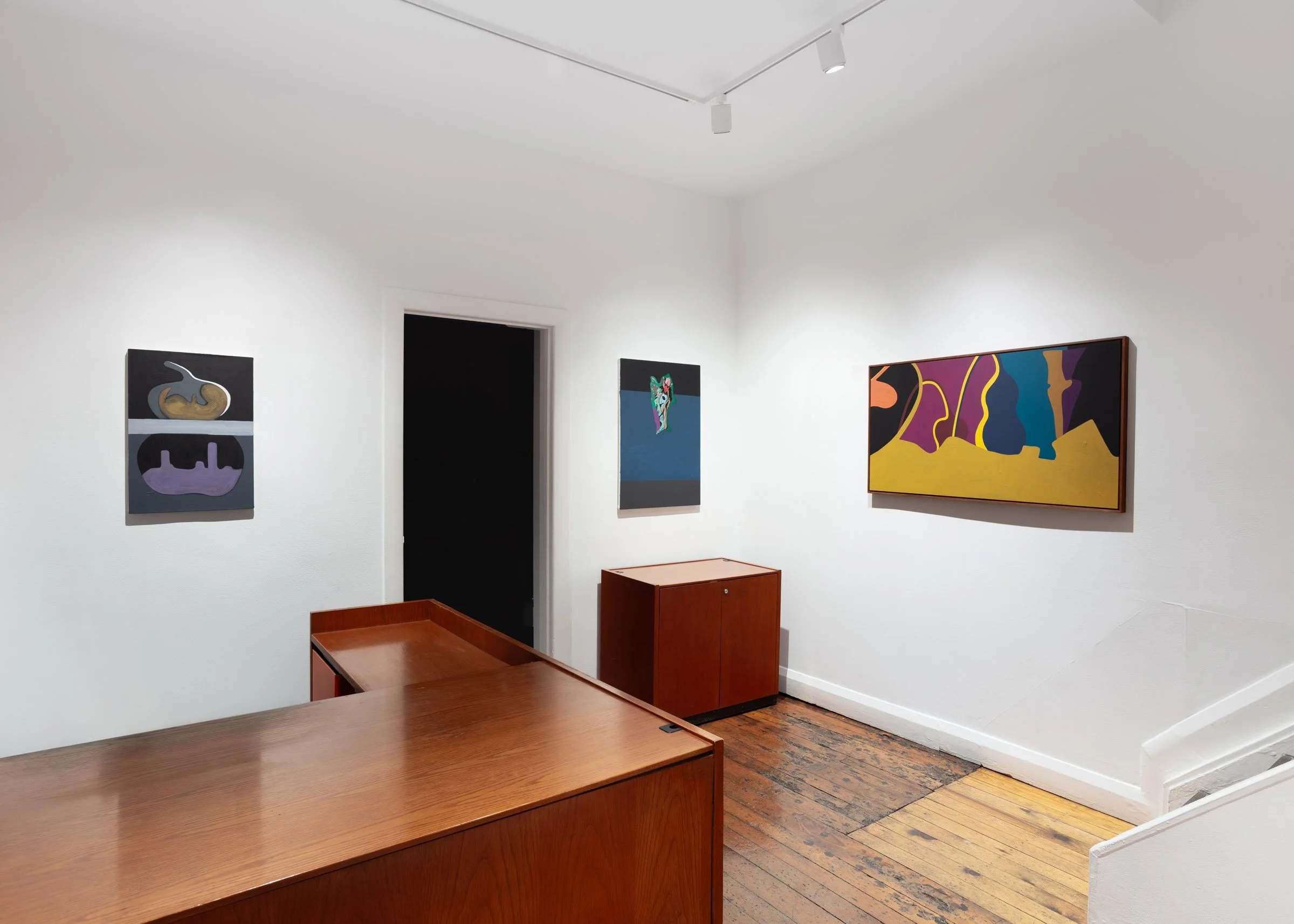
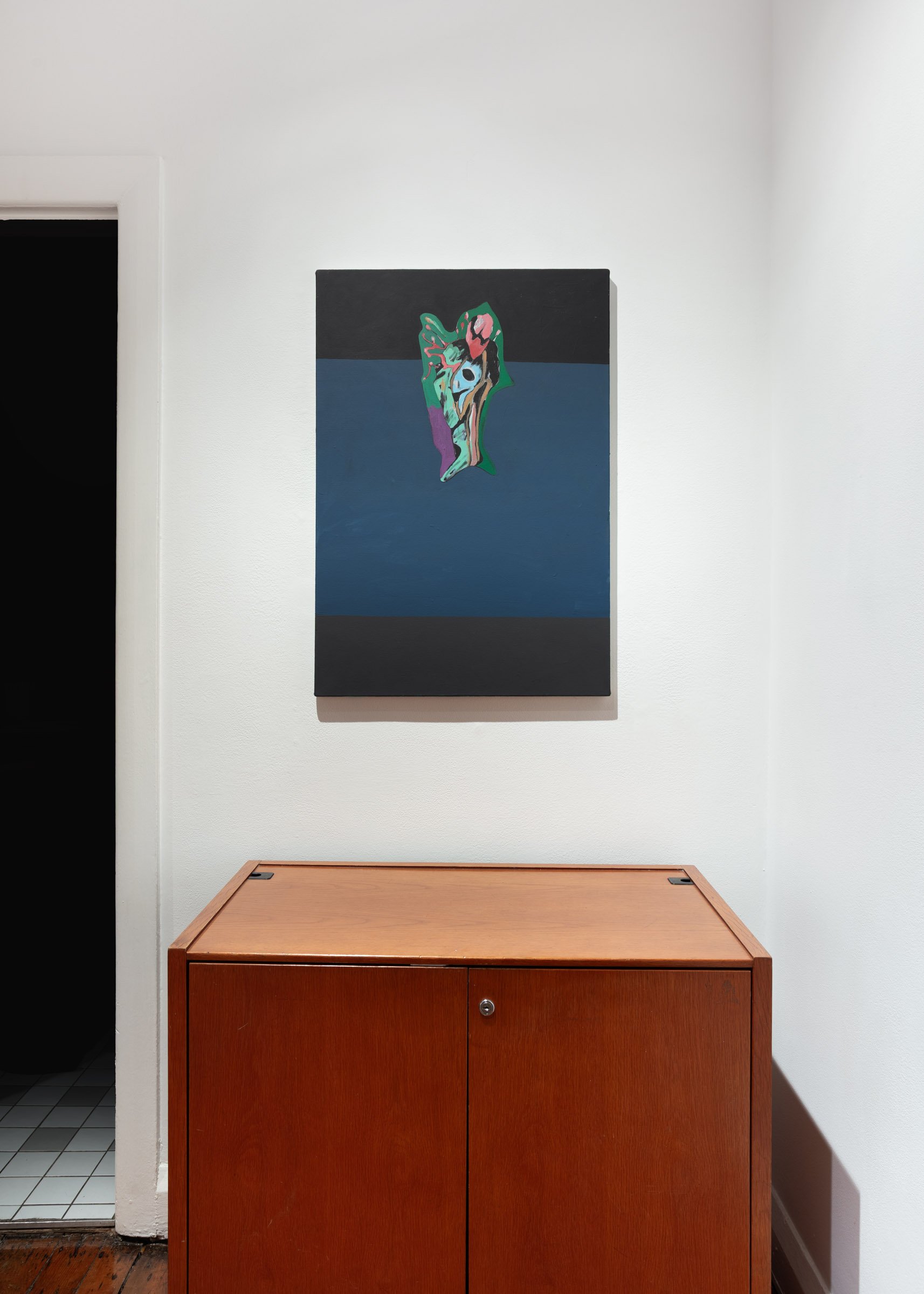
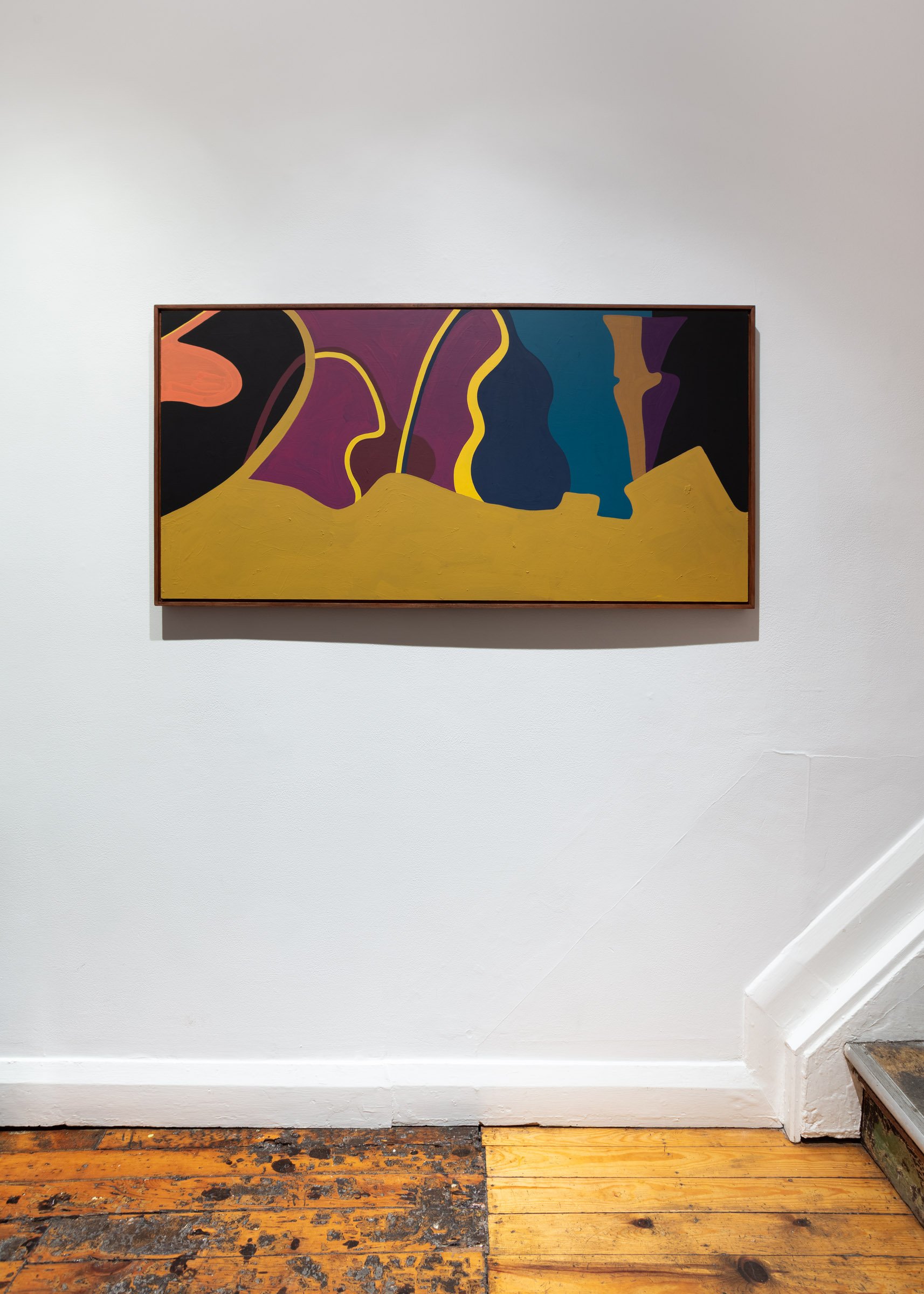
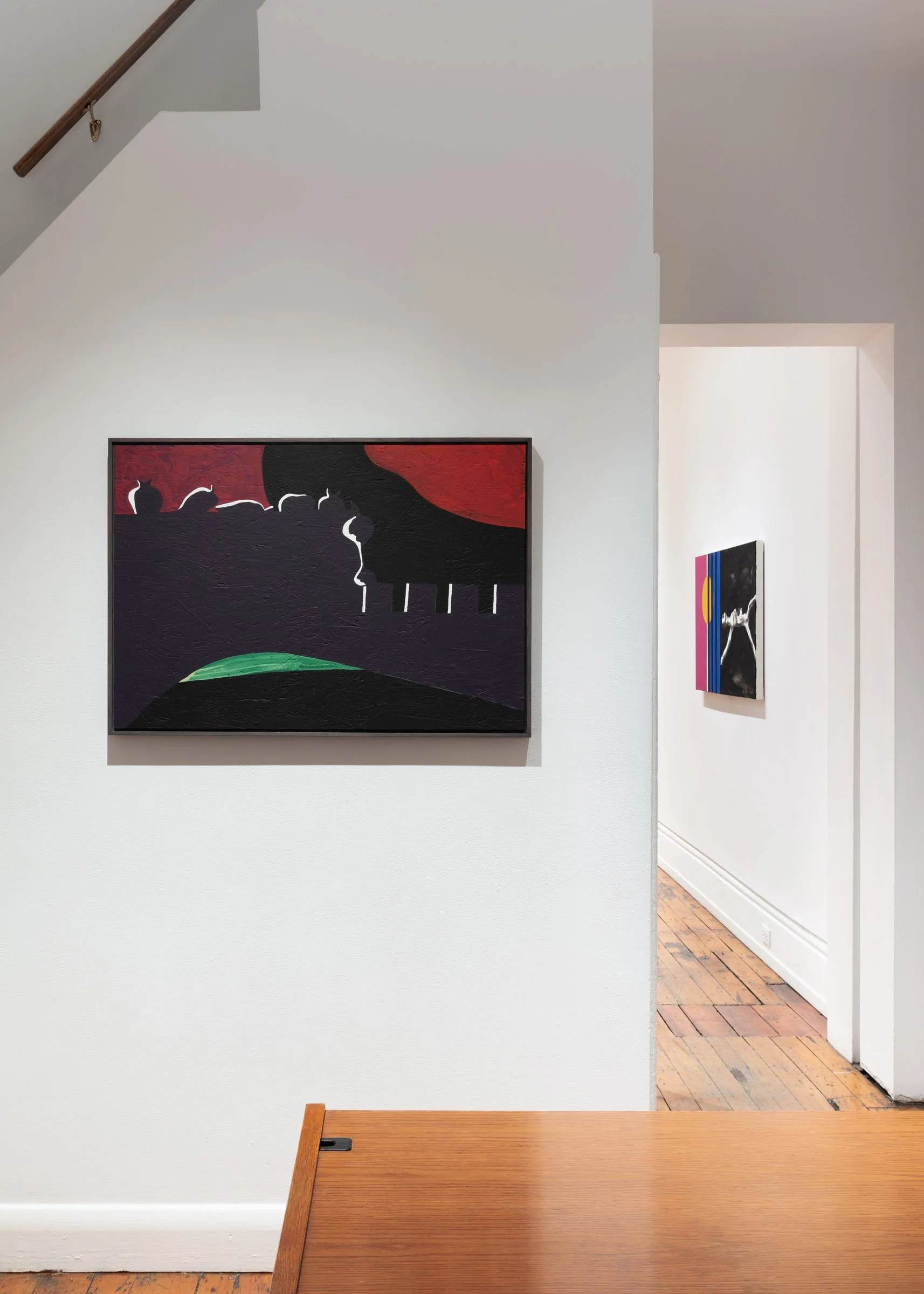
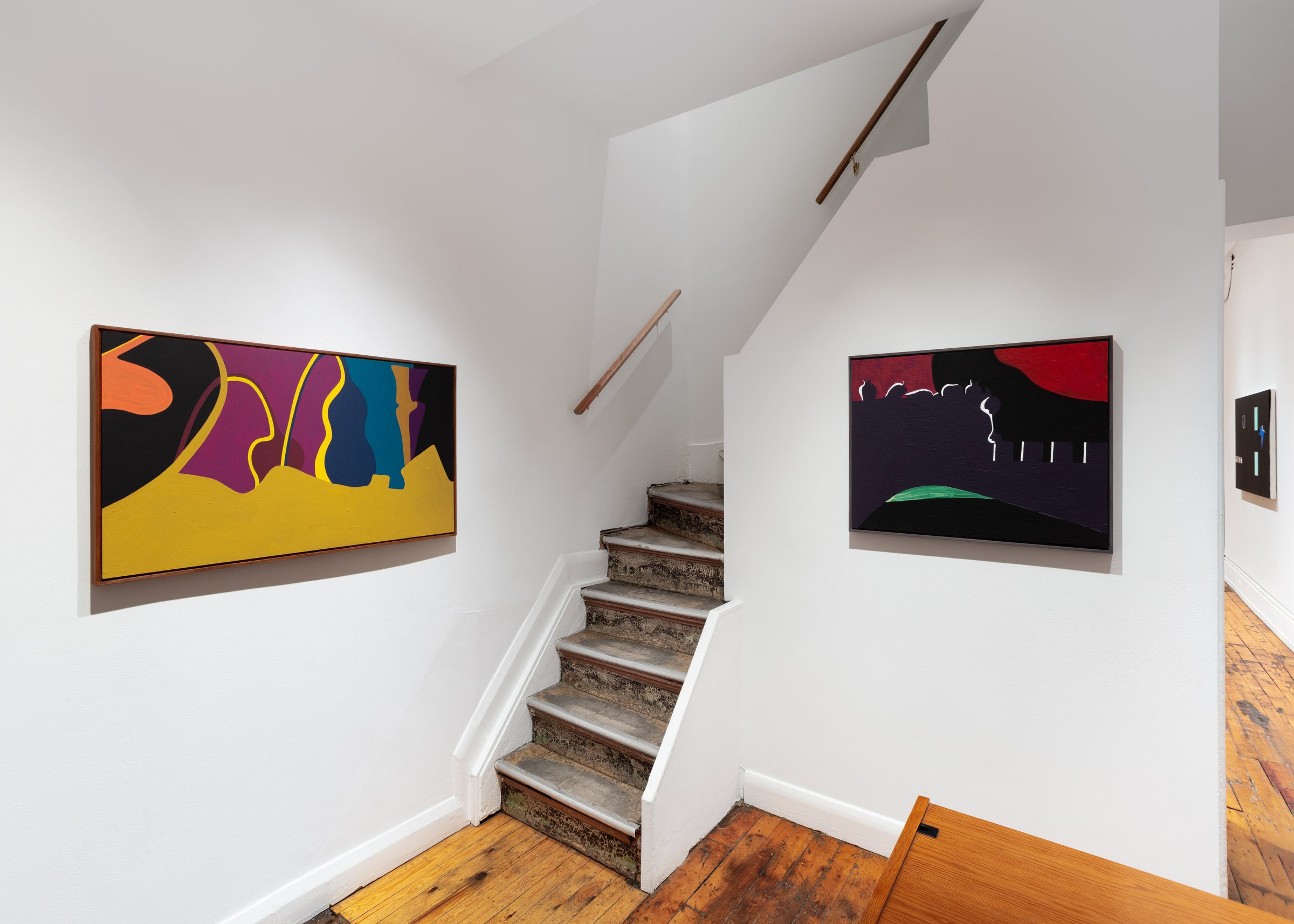
Sunchoke, solo exhibition at Paul Petro Contemporary Art, Toronto. March 27- April 25, 2026
Sunchoke examines the viability of artistic production during current environmental degradation due to capitalism. The paintings are equal parts dystopian and utopian and describe a post-capitalist reality where human relationships to nature are reimagined. Like the art historical precedents of Pointillism and Neo-Impressionism which sought to represent a utopian world after capitalism was made obsolete, the narratives in Sunchoke imagine a post-ecocide world where nature once again becomes autonomous and its relationship to humans exists outside of a transactional framework.
The title Sunchoke refers to the sunflower with edible tuber, also known as the Jerusalem artichoke. It is a plant native to Canada so it cannot be referred to as “invasive”, but it is aggressive and spreads easily. It was renamed sunchoke in the 1960s by Frieda Rapoport Caplan, an American businesswoman and produce wholesaler who saw the potential to make it a mainstream food. The title Sunchoke metaphorically aligns the aggressive nature of the namesake plant with the imagining of a persistent natural force existing after human induced ecological collapse. Furthermore, the commodification of a native vegetable/plant refers to the monetization of nature by humans, whereas in the post-ecocide utopian narrative, the sunchoke, like its non-human kin, reasserts itself outside of the realm of human control.
The narratives in the paintings have been constructed and complicated through the consideration of economic and environmental concerns contradicting each other. They consider the question, “Can a painting operate as anti-capitalist, or does the weight of imbued history as luxury object negate potential as an activist tool?”
The paintings in Sunchoke are proposals that imagine the termination of capitalism and human supremacy and posit the capacity of painting to function beyond aesthetic enjoyment. The complications and contradictions of communicating through the medium of painting produces material and conceptual problems that attempt to accurately convey the reality of art production in this moment.